
Mekong Pandan: Scent of Southern Vietnam
From a Long An Farm to Your Kitchen

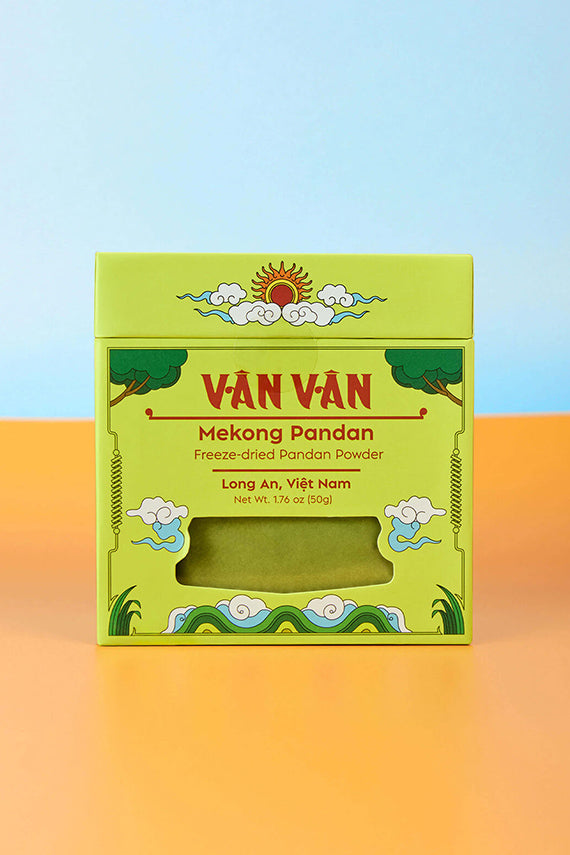
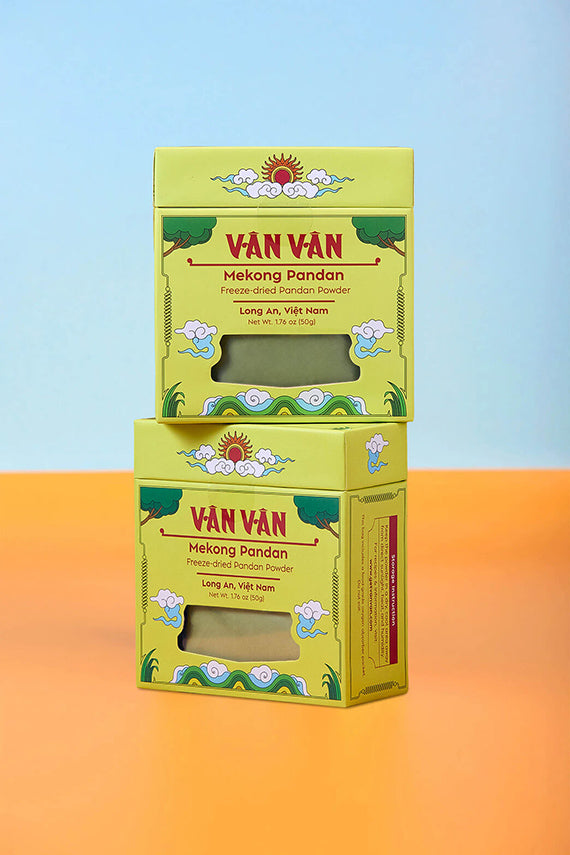
Pandan has been in the spotlight in recent years. You have likely seen it in coffee and desserts, recognizable by its signature green color, and you have probably heard it called “the vanilla of Southeast Asia.” To me, though, pandan carries the memories of my childhood and the scent of Southern Vietnam. That’s why I’m excited to finally share Mekong Pandan, a freeze-dried pandan powder made from fresh pandan leaves sourced from a family farm in Long An.

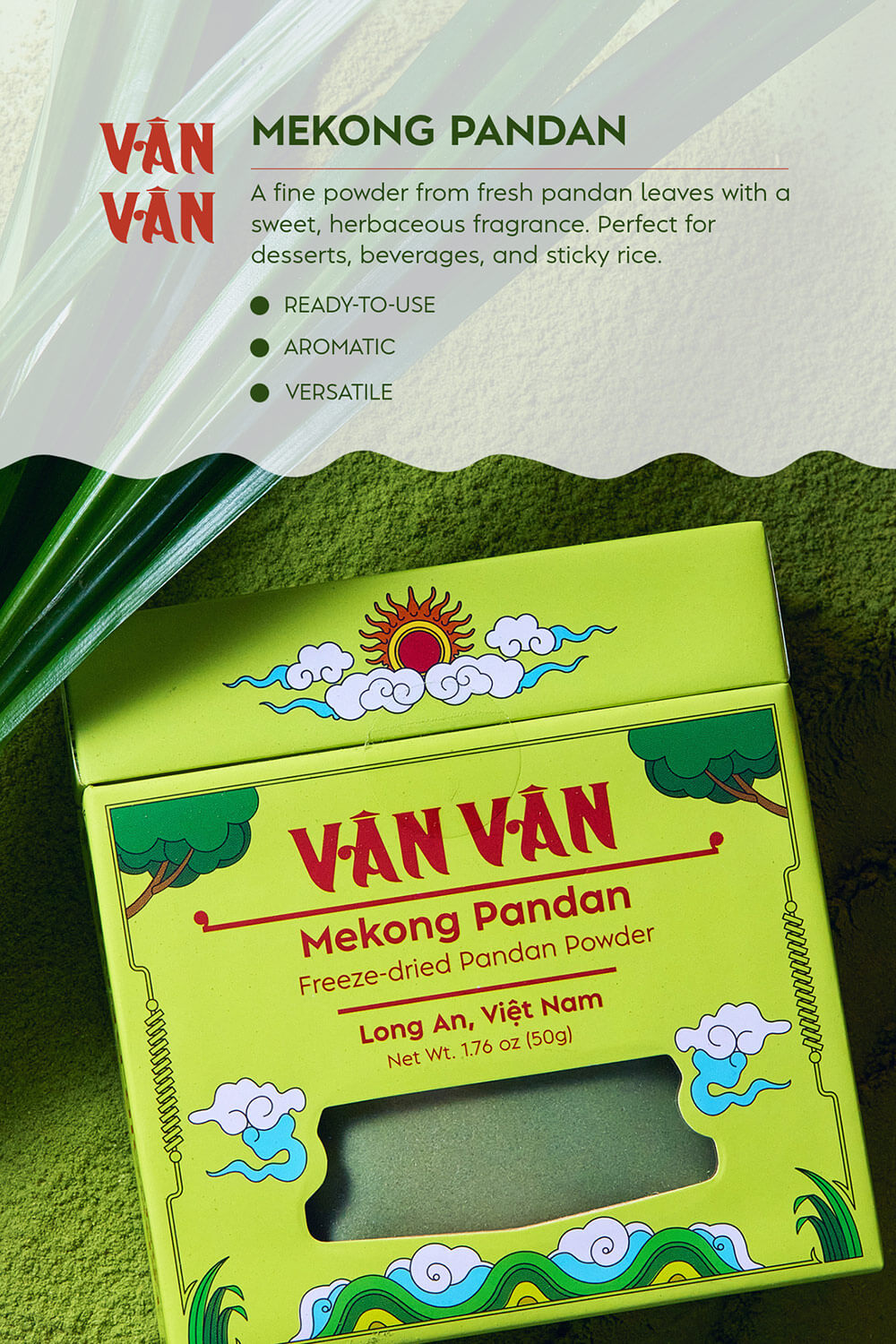
Introducing Mekong Pandan, freeze-dried pandan powder
My mother’s side of the family has lived in Sóc Trăng for at least five generations. As Southern Vietnamese people, we love a good time. Every major occasion, whether a wedding, a funeral, or a death anniversary, comes with a spread of delicious food, overflowing beer, karaoke, and, of course, trays of desserts. Pandan leaves its mark and fragrance on nearly all of them.
So, what is pandan exactly?
Known as lá dứa in Southern Vietnam and lá nếp in the North, pandan is a tropical plant in the screwpine family that grows abundantly in the South and across Southeast Asia. It has a sweet fragrance and a nutty flavor that works in both savory and sweet dishes.
After a thorough wash, whole pandan leaves can be cooked with rice, congee, sticky rice, coconut milk, or syrup. It fills the kitchen with a lightly sweet scent. To make pandan juice, cut the leaves into small pieces, blend them with water, squeeze out the liquid, and add it to desserts. Pandan pairs especially well with coconut and corn, and it appears in classic Vietnamese desserts like bánh da lợn, bánh bò, and bánh lọt. Cooks also use it for its light green color, which brightens the finished dish.

Bánh da lợn, a southern Vietnamese dessert with pandan and mung beans

Mekong Pandan powder
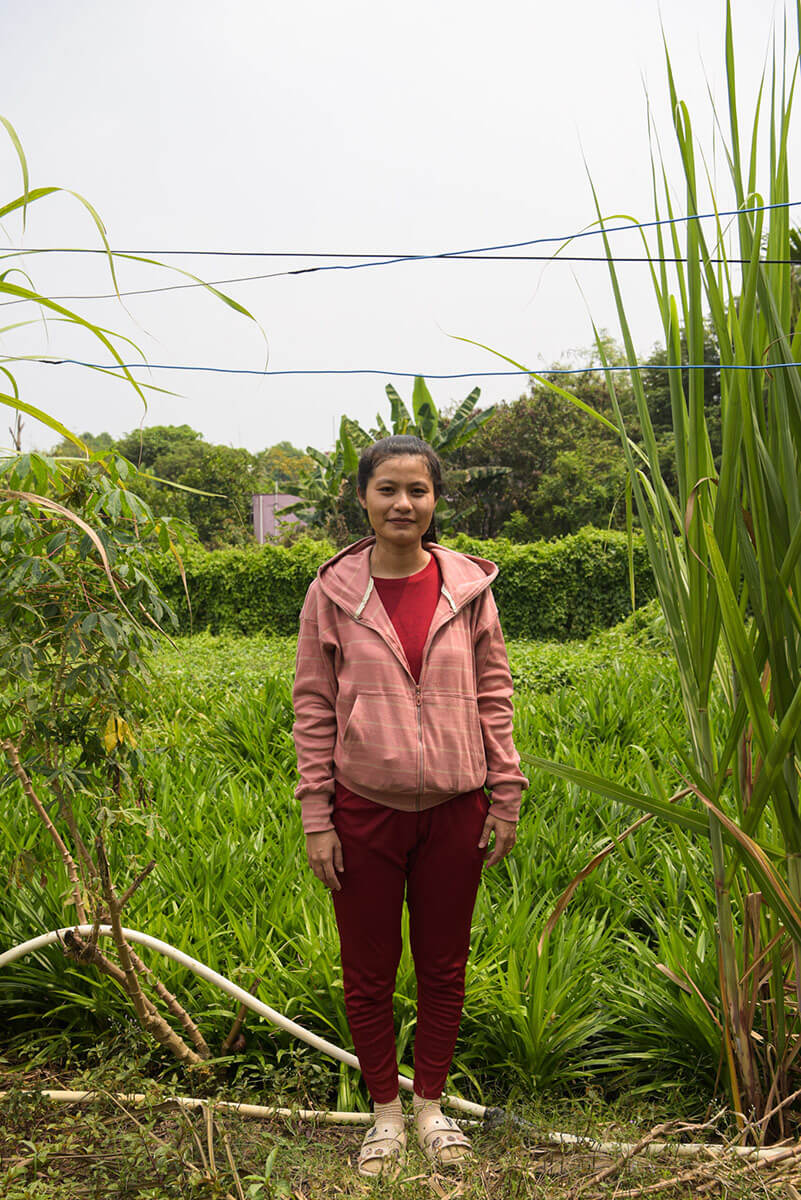
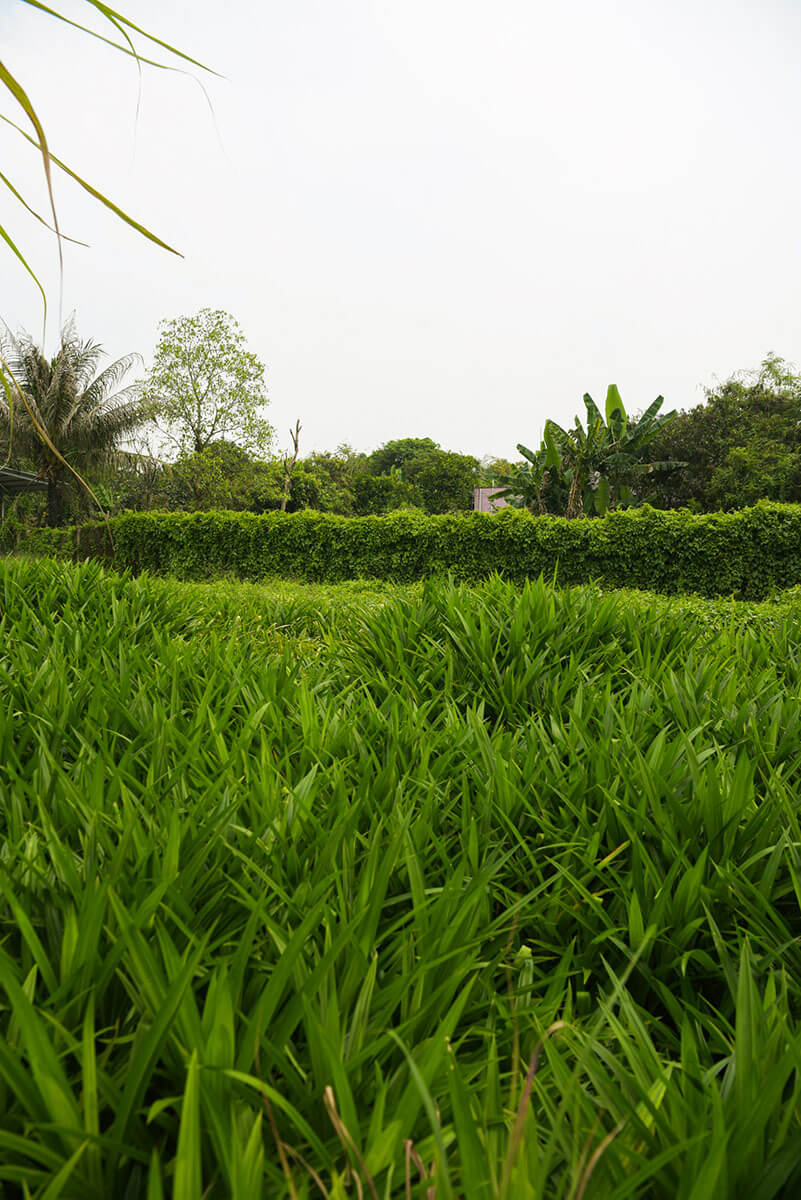
Because pandan is so essential in Southern Vietnamese cooking, we set our sights on the Mekong Delta for our source, the same region my family calls home. After a few months searching and talking to farmers, we found Hằng, a young farmer in Long An. The province is a short ride from Sài Gòn, which made this the easiest sourcing trip we have ever done. We met Hằng at a crowded local market and followed her to the farm. Pandan is common in the region. It grows naturally everywhere and is readily available, so Hằng was clearly amused by all of our questions.
She walked us through a few lush fields to her family’s hut and showed us the other crops she has grown over the past few years. Her family owns several plots of land, which she has now taken over to grow pandan and medicinal herbs. When we asked why she started farming, she shared, “The lands have been sitting there. I also enjoy the work, so may as well take over.” After a break and a chat with her family, we said goodbye as Hằng’s father helped load the pandan into our car. That day in Long An was the first step toward Mekong Pandan: a way to bring the pandan of my childhood, grown by farmers like Hằng, into your kitchen.

Pandan field in Long An

Cinnamon barks from young branches
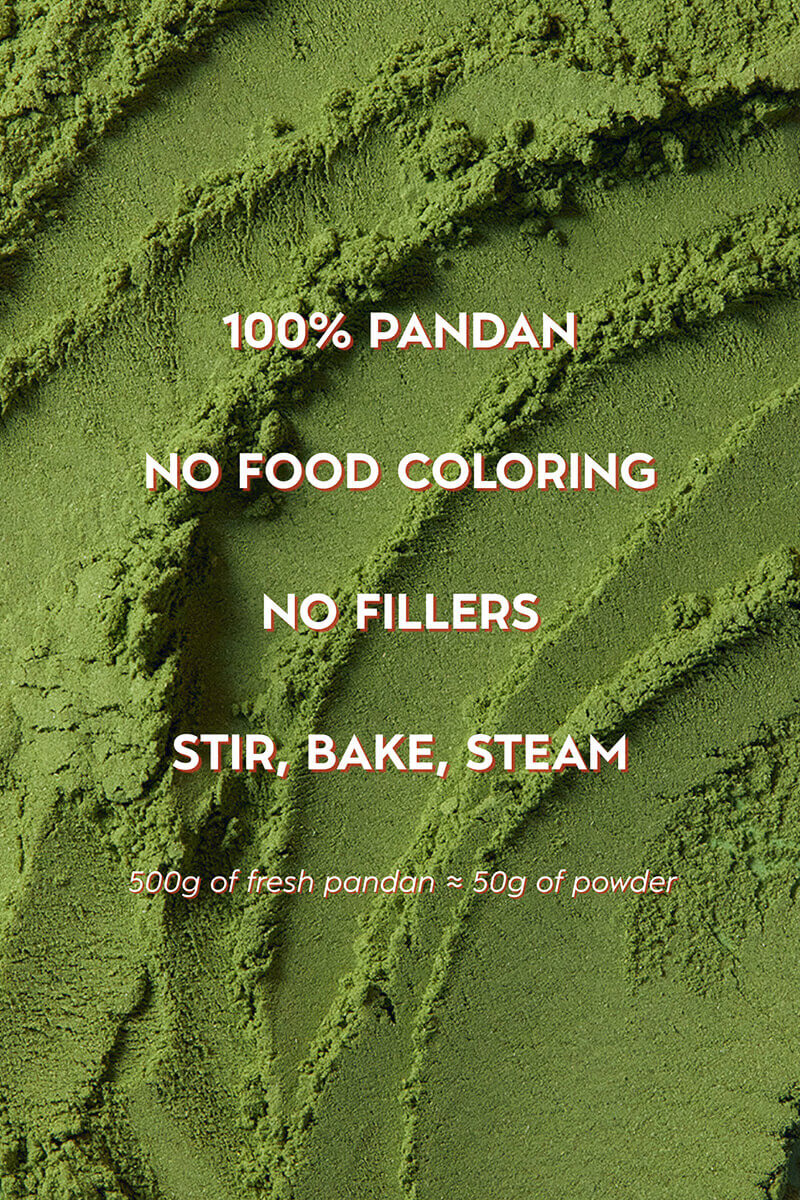
Two years after that trip, and after multiple rounds of testing, we’re excited to launch Mekong Pandan: a freeze-dried pandan powder. Freeze-drying locks in the grassy, nutty fragrance while preserving the color of just-picked pandan, without added color, flavor, or fillers. Open the box and you’ll smell the same sweetness that filled the kitchens of my childhood. Stir it into syrup, coconut milk, or milk, or add it to coffee, lattes, desserts, and sticky rice. It’s shelf-stable, so you can have pandan on hand without hunting for fresh leaves.
However you use pandan, I’d like to make one plea: please stop calling it the vanilla of Southeast Asia. Think of it instead as a fragrant, sweet-smelling grass that works in both savory and sweet dishes. In contrast to the vanilla's warm and creamy sweetness, pandan is nutty, herbaceous, and grassy. It has its own uses and holds an irreplaceable place in Vietnamese cuisine. Pandan is more than an ingredient. It reflects our culture and way of life.